
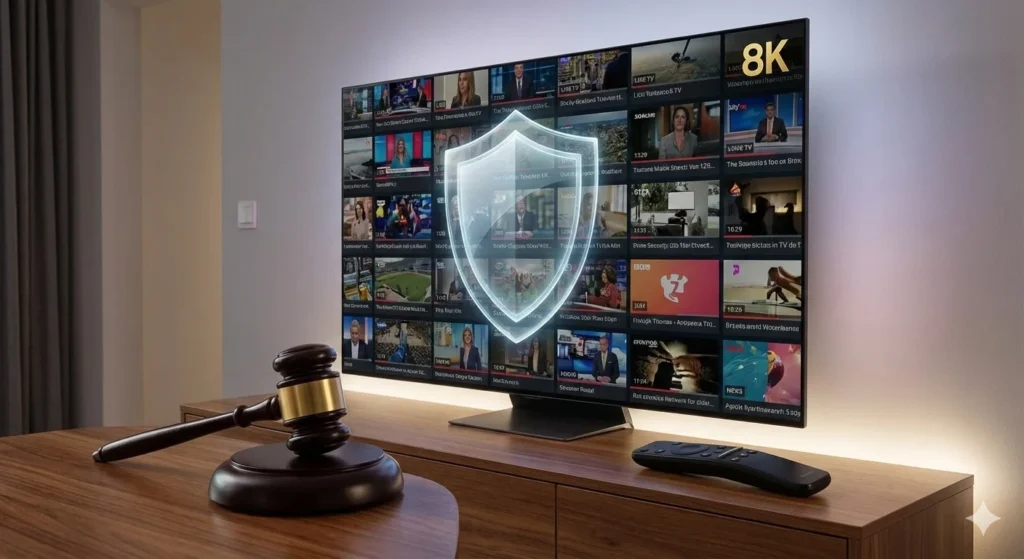
The world of television has shifted dramatically in 2026. Gone are the days of bulky cable boxes and restrictive contracts. In their place, services like Strong iptv have surged in popularity, promising thousands of global channels, premium sports, and the latest movies for a fraction of the cost of traditional providers.
However, with great convenience comes significant questions. If you are considering a subscription, the two most pressing concerns are: Is Strong iptv legal? and Is Strong iptv safe to use? Navigating the “gray market” of streaming can be confusing. This comprehensive guide will break down the legalities, security risks, and best practices for anyone looking to use Strong iptv while protecting their data and staying within the law.
What is Strong iptv?
Before diving into the legalities, it is important to understand what the service actually is. Strong iptv (often referred to simply as “Strong” or “Strong 8K”) is an Internet Protocol Television service. Unlike Netflix or Disney+, which host their own libraries of content, this service acts as a gateway to live television broadcasts from around the world.
Typically, users receive an M3U playlist link or an Xtream Codes login, which they then input into a player app like TiviMate or IPTV Smarters. The service is famous for its stability and massive channel list, covering everything from US networks to international sports packages that are otherwise difficult to access.
Is Strong iptv Legal? Understanding the Gray Market
The question of legality is the most complex part of the IPTV world. To answer it correctly, we have to look at two different perspectives: the technology and the content.
The Technology vs. The Service
The technology behind Strong iptv—streaming video over the internet—is 100% legal. Large corporations like YouTube TV, Hulu, and Sling TV all use IPTV technology to deliver their services.
However, a service is only legal if the provider has the broadcasting rights for the content they are showing. For example, if a service offers Sky Sports or HBO without paying those networks for a distribution license, that service is operating illegally.
The Verdict on Strong iptv Legality
In most jurisdictions, including the US, UK, and Canada, Strong iptv is considered an “unverified” or “third-party” service. Because it offers thousands of premium channels at a price that would not cover the licensing fees for even one of them, it is widely understood that the service does not hold the proper legal permissions for its content.
For the User: In many countries, copyright laws focus on the distributor (the person selling the service) rather than the consumer (the person watching). However, authorities are increasingly using “site-blocking” orders to prevent ISPs from allowing access to these streams.

Is Strong iptv Safe? Security Risks and Privacy
While legality is a concern for the “conscientious” streamer, safety is a concern for everyone. When you use an unverified service like Strong iptv, you are essentially trusting an anonymous third party with your network connection and, potentially, your payment information.
1. Malware and Malicious Apps
Many users access these services by downloading APK files (Android application packages) from unofficial websites. These “side-loaded” apps are not vetted by the Google Play Store or Amazon Appstore.
- The Risk: These apps can contain hidden trackers, malware, or “botnet” code that uses your device to perform background tasks without your knowledge.
- The Fix: Always use a reputable, verified player app (like VLC or TiviMate from the official store) instead of the branded APK provided by the service.
2. Data Privacy and Tracking
When you stream content from an unverified source, your Internet Service Provider (ISP) can see exactly what you are doing. They can see the source of the traffic and how much data you are consuming. In some regions, ISPs are required by law to send out “Copyright Infringement” notices to users who are identified as streaming unlicensed content.
3. Payment Security
Most unverified providers do not use standard payment processors like PayPal or Stripe because these companies often ban IPTV sellers. Instead, they may ask for:
- Cryptocurrency
- Credit card info via a sketchy-looking portal
- “Friends and Family” transfers
Using your primary credit card on these sites is a significant security risk. We highly recommend using “disposable” or virtual credit cards (like those from Privacy.com) to prevent unauthorized charges.
How to Use Strong iptv Safely: Best Practices
If you decide that the benefits of Strong iptv outweigh the risks, you must take steps to protect yourself. In 2026, the digital landscape is more monitored than ever, making these steps non-negotiable.
1. Use a High-Quality VPN
A Virtual Private Network (VPN) is your first line of defense. A VPN encrypts your internet traffic and hides your IP address. This provides two major benefits:
- Privacy: Your ISP cannot see that you are using Strong iptv. They only see encrypted traffic going to a VPN server.
- No Throttling: ISPs often “throttle” (slow down) internet speeds when they detect heavy video streaming. A VPN prevents them from identifying the traffic, ensuring a smooth, buffer-free experience.
Pro Tip: Check out our guide on theBest VPN for Streamingto find a provider with fast 2026 server speeds.
2. Side-Load with Caution
If you must install a specific app for the service, never do so on a device that contains sensitive information (like your phone or a PC used for banking). A dedicated streaming device like an Amazon Firestick 4K Max or an ONN 4K Pro is ideal because it keeps your streaming activity isolated from your personal data.
3. Use an Anonymous Email
When signing up for any unverified service, do not use your primary Gmail or Outlook account. Use a disposable email service or a secondary “burner” account to prevent your personal identity from being linked to the subscription.
Comparing Legal Alternatives to Strong iptv
If the legal gray area of Strong iptv makes you uncomfortable, there are plenty of verified, 100% legal alternatives that offer high-quality live TV.
| Service | Legal Status | Best For | Price (Approx.) |
| YouTube TV | 100% Legal | US Locals & Sports | $72.99/mo |
| Sling TV | 100% Legal | Budget-conscious | $40/mo |
| Hulu + Live TV | 100% Legal | Full Entertainment | $76.99/mo |
| Philo | 100% Legal | Lifestyle/Discovery | $28/mo |
| Strong iptv | 100% Legal | Global Channels | ~$10-15/mo |
Final Verdict: Should You Use Strong iptv?
Whether or not you choose to use Strong iptv depends on your appetite for risk.
You should use it if:
- You are a tech-savvy user who knows how to use a VPN and virtual credit cards.
- You need access to specific international channels that are unavailable via legal means.
- You are looking for a secondary backup to your main cable or streaming subscription.
You should avoid it if:
- You want 100% guaranteed uptime and customer support.
- You are uncomfortable with the legal ambiguity of unverified services.
- You don’t want to deal with the technical setup of VPNs and external players.
In 2026, the streaming world is a “buyer beware” market. While Strong iptv offers incredible value, the importance of digital hygiene and privacy cannot be overstated.
Frequently Asked Questions (FAQ)
Is IPTV legal in the USA?
The technology is legal, but using a service that broadcasts copyrighted content without a license is a violation of the Digital Millennium Copyright Act (DMCA). While individual users are rarely prosecuted, the services themselves are frequent targets for shutdowns and legal action.
Do I need a VPN for Strong iptv?
Yes, using a VPN is highly recommended. It hides your streaming activity from your ISP, prevents potential legal notices, and stops ISP throttling. Without a VPN, your data and browsing habits are completely transparent to your service provider and any third-party trackers.
Can Strong iptv damage my TV or Firestick?
The service itself cannot damage hardware. However, installing unverified APKs (apps) can introduce malware to your device’s operating system. This malware could slow down your device, steal data, or lead to “freezing” issues. Always use verified player apps from official stores when possible.
Why does Strong iptv sometimes buffer?
Buffering is usually caused by one of three things: a slow home internet connection, your ISP throttling your speed, or an overloaded server from the provider. Using a wired Ethernet connection and a high-speed VPN usually resolves 90% of buffering issues on premium services.