
strong8k iptv - Premium 4K & 8K Streaming Service
Welcome to strong8k iptv, the world's most advanced streaming service delivering crystal-clear 4K and 8K content. Enjoy over 50,000 live channels, 160,000+ movies and TV shows, and lightning-fast servers — all at unbeatable prices. Discover why our platform is rated #1.
Get Started Now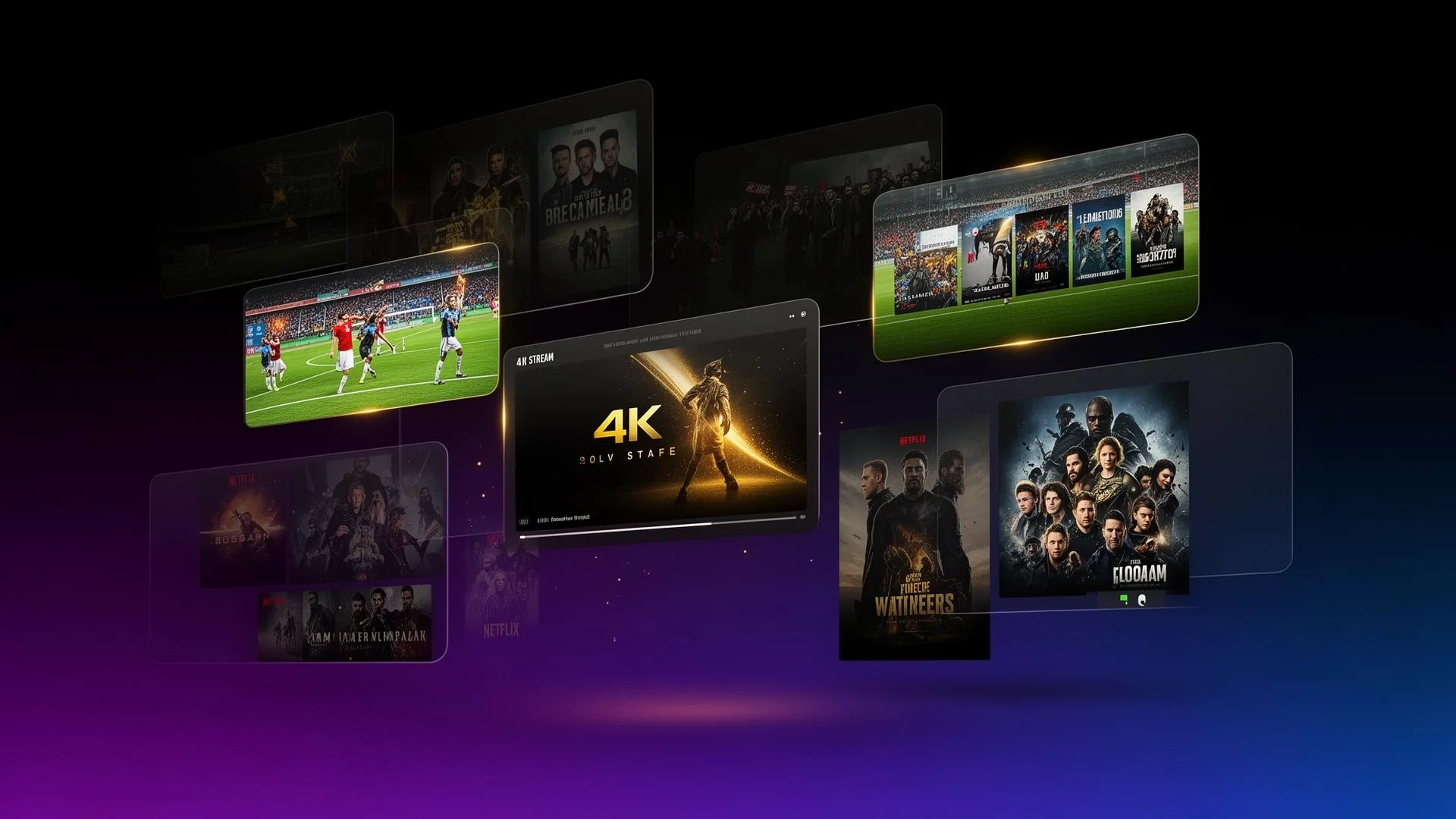
Powerful Features of strong8k iptv
Every feature of strong8k iptv is engineered for maximum performance, reliability, and viewing pleasure across all your favorite devices. Compare our subscription plans to find your perfect match.
Stunning 4K & 8K Quality
strong8k iptv delivers cinema-grade Ultra HD streaming with native 4K and 8K resolution support, HDR10, and Dolby Vision compatibility for unmatched visual clarity on every screen.
50,000+ Live Channels
Access more than fifty thousand live TV channels through strong8k iptv from across the globe including premium sports, news, entertainment, and exclusive international networks.
160,000+ Movies & Series
Dive into a massive on-demand VOD library packed with the latest blockbusters, classic films, complete TV series, documentaries, and kids content — all included with every plan.
Anti-Freezing Technology
Our strong8k iptv anti-freeze server infrastructure guarantees buffer-free streaming with 99.9% uptime even during peak hours and major live events.
Multi-Device Support
Stream on Smart TV, Firestick, Android Box, MAG, iOS, Android, Windows, Mac, and any streaming device and IPTV player you own. One plan covers your entire household.
EPG & 7-Day Catch-Up
Full electronic program guide plus 7-day catch-up TV lets you rewind, pause live broadcasts, and never miss your favorite shows again with our advanced features.
Why Our Service is the Best Choice in 2026
Choosing the right IPTV subscription matters — and strong8k iptv stands miles ahead of the competition. We combine enterprise-grade streaming infrastructure with affordable pricing to deliver an experience that traditional cable simply cannot match. See what our subscribers say about their experience.
Furthermore, our commitment to quality means every channel is tested daily, every server is optimized hourly, and every customer receives personalized support whenever they need it. Learn more about how our service works and why over 2,800 customers trust us worldwide.
- strong8k iptv delivers premium 4K and 8K UHD streaming with zero buffering or lag
- Worldwide channel coverage including US, UK, Canada, Europe, MENA, Asia & Latin America
- Compatible with every major streaming device and IPTV player — get started in minutes
- Affordable subscription plans starting at just $14 per month
- Instant activation within 5 to 15 minutes after payment
- Dedicated 24/7 customer support on WhatsApp for instant help
- 30-day money-back guarantee for total peace of mind with every plan
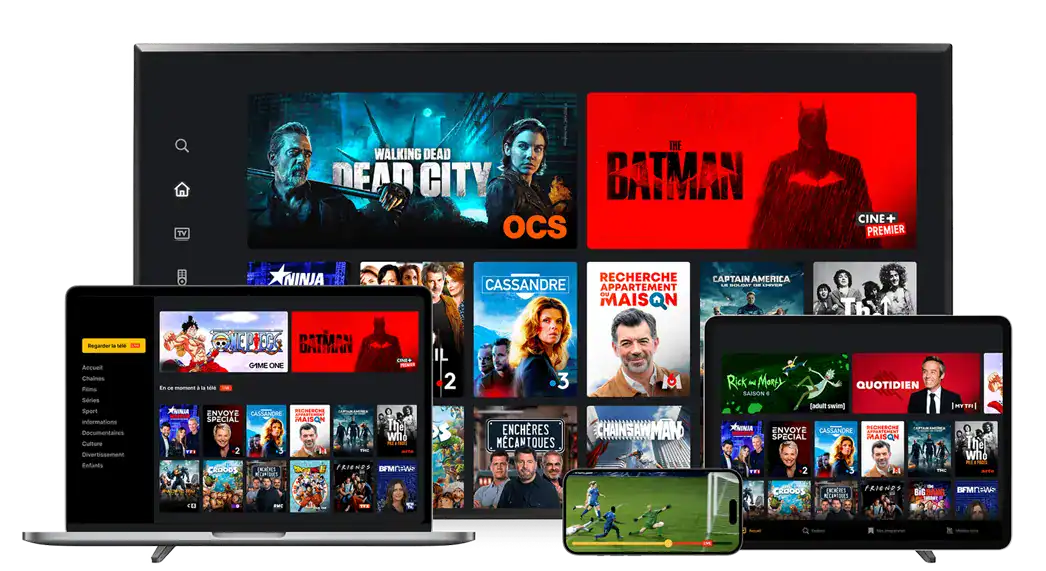
Massive Channel & VOD Library on strong8k iptv
Explore every genre imaginable through strong8k iptv — from live sports and breaking news to blockbuster movies and family entertainment. Subscribe today and unlock instant access to our full catalog of 50,000+ channels.
strong8k iptv Subscription Plans & Pricing
Choose the perfect strong8k iptv plan for your viewing needs. All plans include full access to our entire channel lineup and VOD library with 1 device connection. Have questions? Check our FAQ for more details about each tier.
- 50,000+ Live Channels
- 160,000+ Movies & Series
- 4K & 8K Ultra HD Quality
- EPG & Catch-Up Included
- 1 Device Connection
- 24/7 Customer Support
- 50,000+ Live Channels
- 160,000+ Movies & Series
- 4K & 8K Ultra HD Quality
- EPG & Catch-Up Included
- 1 Device Connection
- Priority Support
- 50,000+ Live Channels
- 160,000+ Movies & Series
- 4K & 8K Ultra HD Quality
- EPG & Catch-Up Included
- 1 Device Connection
- VIP Support
- 50,000+ Live Channels
- 160,000+ Movies & Series
- 4K & 8K Ultra HD Quality
- EPG & Catch-Up Included
- 1 Device Connection
- VIP Priority Support
- 30-Day Money Back Guarantee
💬 Need more than 1 connection? Contact us on WhatsApp for custom multi-device plans.
How to Get Started With strong8k iptv
Activate your strong8k iptv subscription in three simple steps and start watching within minutes. Browse our plans to begin your streaming journey today.
Choose Your Plan
Pick the subscription that suits your budget and viewing habits — from monthly to annual plans with increasing savings.
Complete Secure Payment
Pay safely using credit card, PayPal, cryptocurrency, or bank transfer through our SSL-encrypted checkout.
Get Instant Access
Receive your login credentials within 15 minutes and start enjoying premium 4K and 8K streaming immediately.
What strong8k iptv Customers Say
Join over 2,800+ happy subscribers who trust strong8k iptv for their daily entertainment. Start your subscription and see why we're rated the best IPTV service in 2026.
"This is hands down the best IPTV service I have ever used. Crystal clear 4K streaming with zero buffering, even during NFL Sunday games. The channel selection is absolutely unreal compared to cable."
"Amazing channel selection and the customer support team is incredibly responsive. They helped me set up the service on my Firestick in under five minutes. Highly recommend this to anyone looking for quality streaming."
"The 8K quality is truly impressive. It works flawlessly across all my devices including Firestick and Smart TV. Best value for money I have found anywhere online for a premium streaming subscription."
Frequently Asked Questions About strong8k iptv
What is strong8k iptv and how does it work?
Which devices are compatible with strong8k iptv?
How fast is activation after payment?
What internet speed do I need?
Is it legal and safe to use?
Can I use it on multiple devices simultaneously?
Get Started With strong8k iptv Today
Join thousands of satisfied subscribers worldwide and unlock instant access to premium 4K and 8K streaming with strong8k iptv. Don't settle for cable bills and limited content — choose your plan today and transform the way you watch television forever.
💬 Contact Us on WhatsApp